
The benefits of grass fed beef
In a world where people are thinking more carefully about their health and the environment 🌍, we believe it’s important to understand where our food comes from — and what difference those choices make.
Here at Burton Beef, we’ve always farmed the way our land asks us to: slowly, naturally, and with respect for the animals in our care. Our cattle spend their lives on grass, just as nature intended. And the science now backs up what farmers have known for generations — grass‑fed really is better.
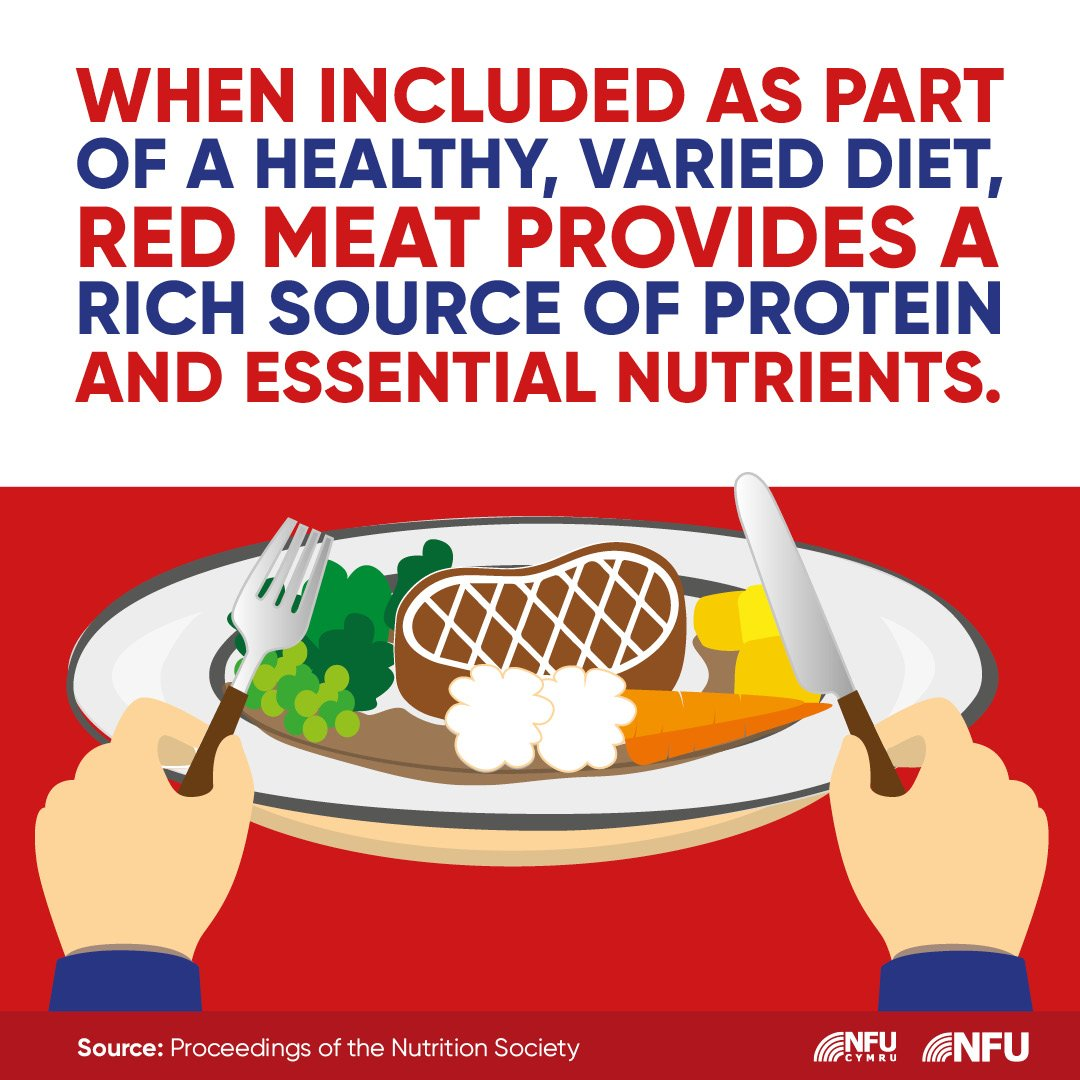
Grass‑fed beef is naturally leaner, with higher levels of the “good fats” like Omega‑3s 🧬, and more vitamins such as vitamin E, a powerful antioxidant. It’s meat that’s closer to how it used to be — wholesome, nutrient‑rich, and full of flavour.
But the benefits don’t stop at the plate. When cattle graze on pasture, the land comes alive. Flower‑rich meadows buzz with insects, birds return, soils rebuild themselves, and the whole farm becomes part of a healthier ecosystem 🐞🕊️.
Selling locally keeps food miles low, carbon footprints smaller, and ensures our animals live calm, low‑stress lives — something we care deeply about.
And for small family farms like ours, grass‑fed systems mean we can focus on quality over quantity, producing meat we’re genuinely proud to put our name on.
FAQ’s
What is grass‑fed beef? 🌱🐂
Grass‑fed beef comes from cattle that eat mainly natural grasses and forage. Many supermarket cattle are fed grain, corn and high‑energy supplements to speed up growth — which often leads to fattier, less nutritious meat.
Why is grass‑fed beef healthier? 🧬🥩
Grass‑fed beef typically contains:
• 30–40% less total fat
• more antioxidant vitamins (A, D, E and K)
• lower cholesterol
• higher levels of Omega‑3 fatty acids
Our beef is 100% natural, raised with no hormones, GMOs or artificial additives — just grass, fresh air and time.
Do I need to cook grass‑fed beef differently? 🍳🔥
Yes. Because it’s leaner, it cooks faster. For the best results:
• use a medium heat
• reduce cooking time by around 30%
• aim for medium, medium‑rare or rare
• avoid overcooking — treat it like fine seafood
• use a meat thermometer for accuracy